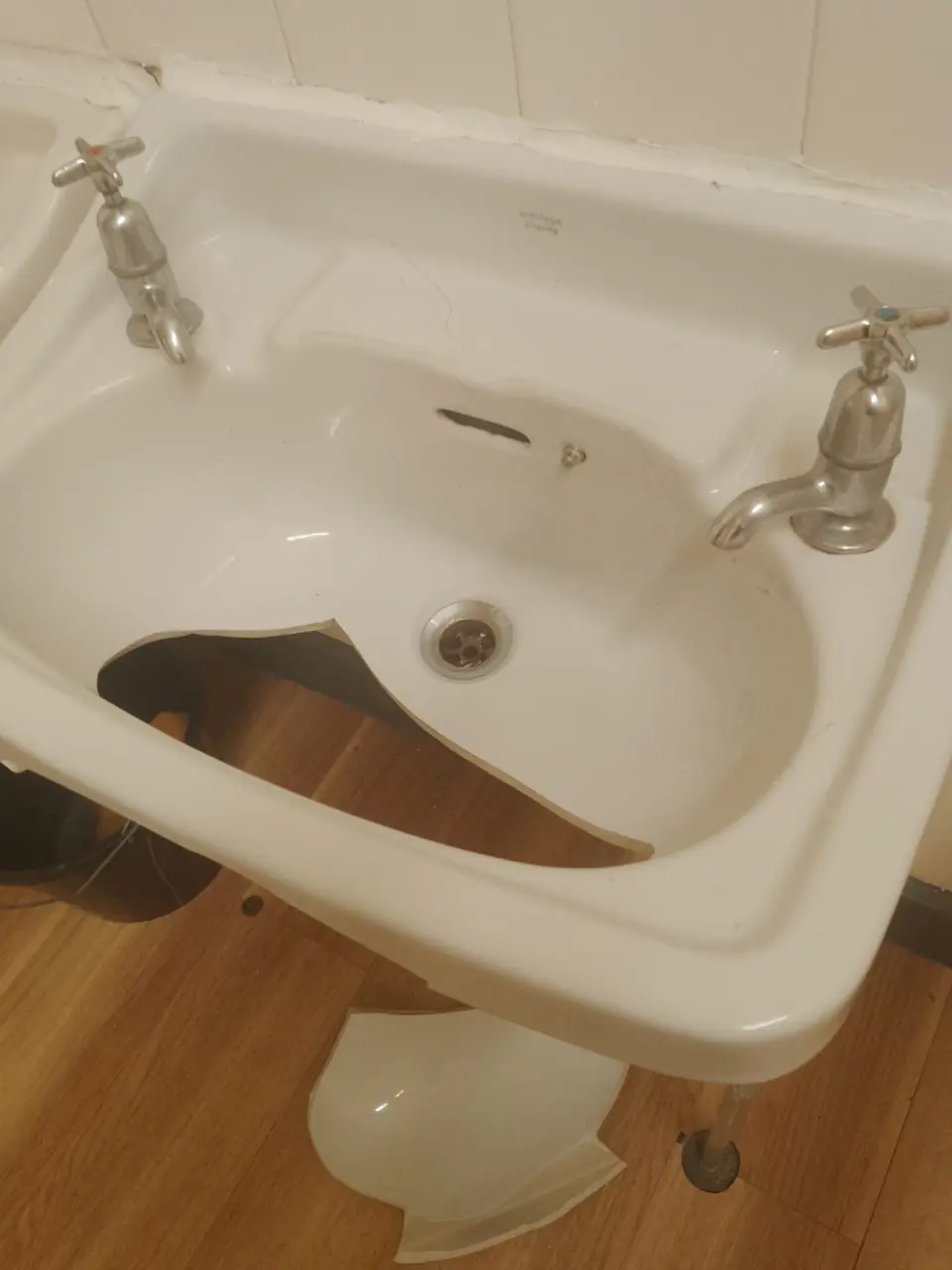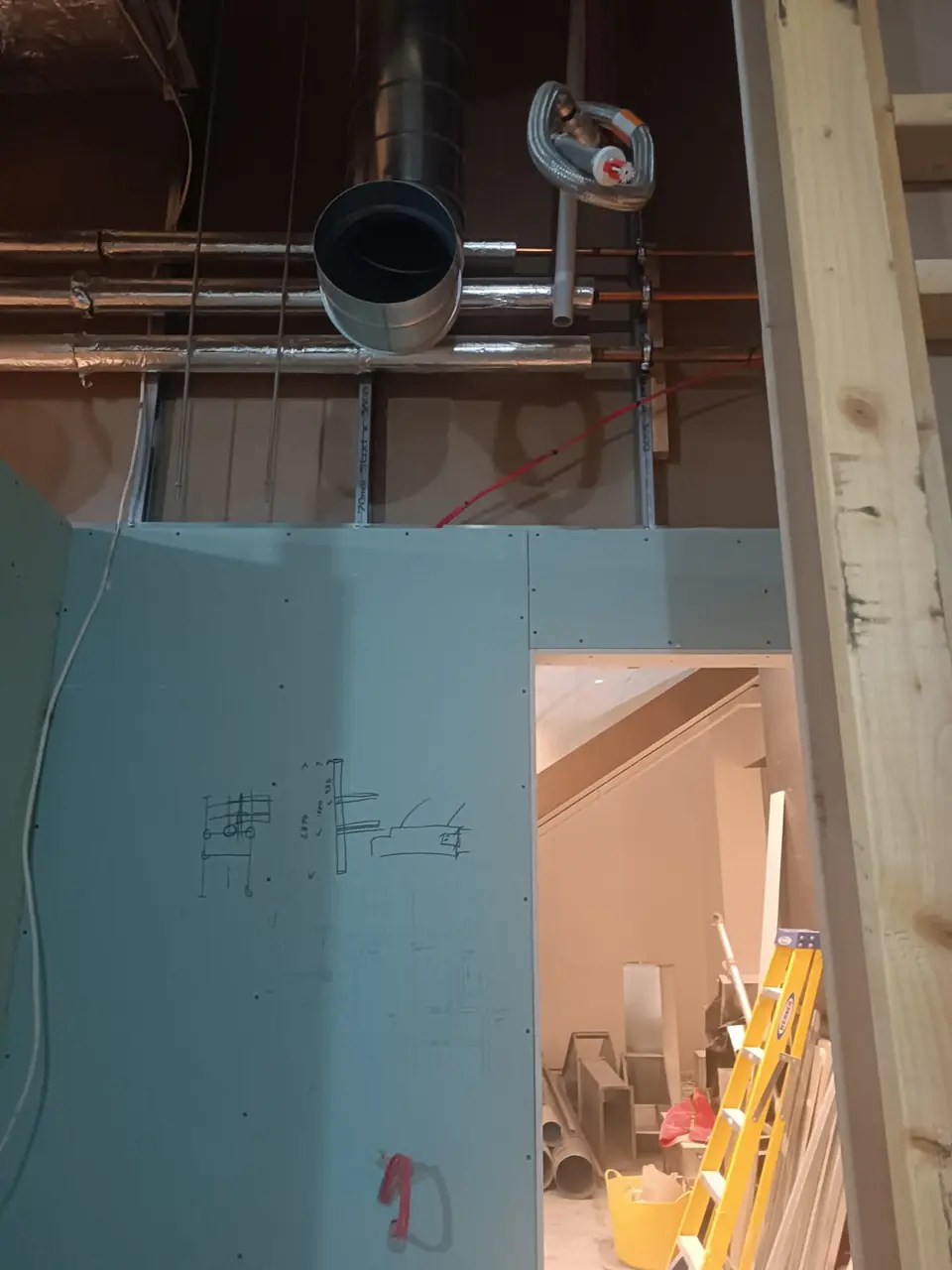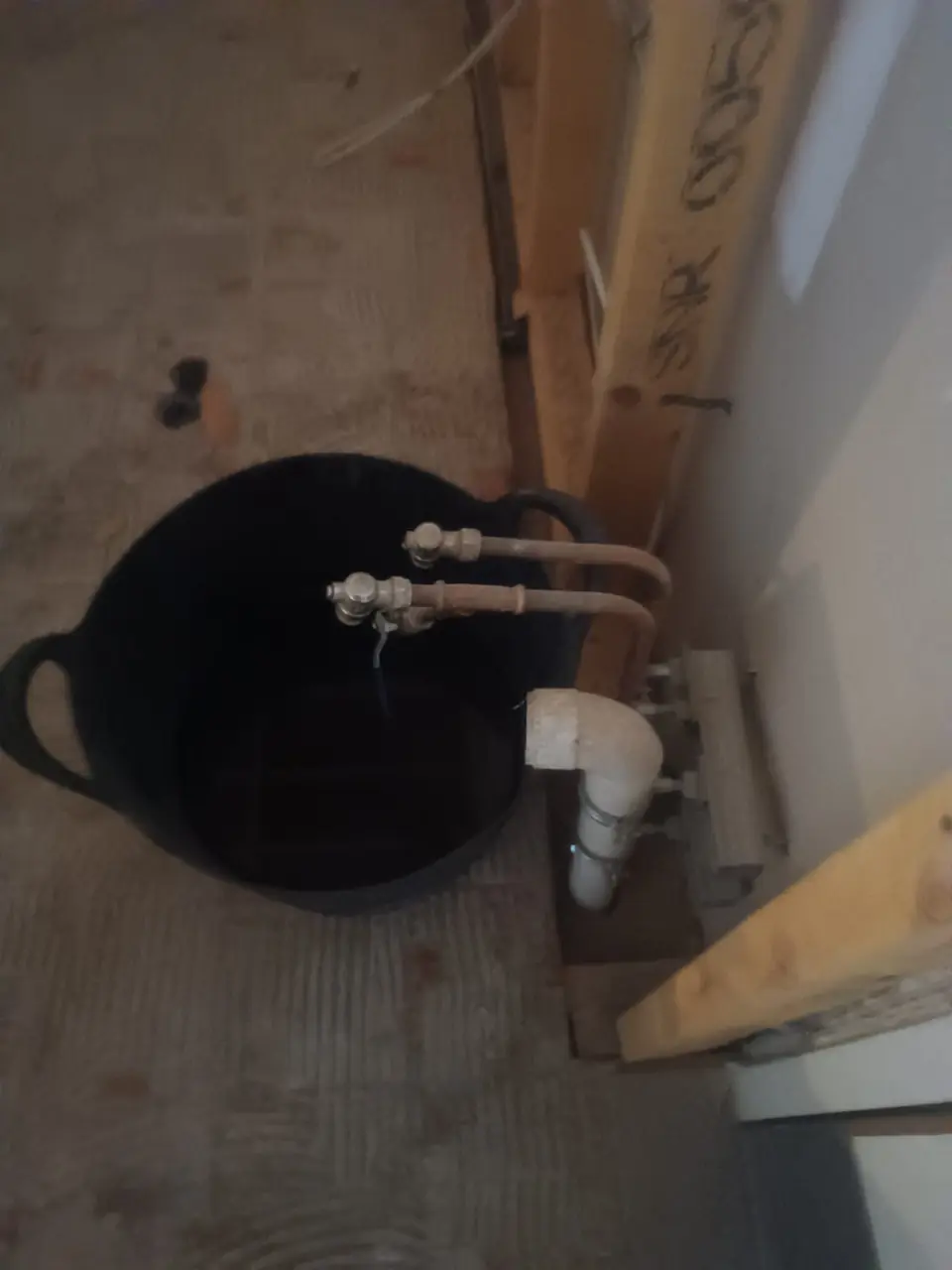
Step 1: Turn Off the Water at the Stopcock
The single most useful thing you can do is shut off the mains water. Your internal stopcock is usually under the kitchen sink, but in older Edinburgh flats it can be in a hall cupboard, under the floorboards near the front door, behind a bath panel or even in the common stair. Turn it clockwise until it stops.
If you’ve never found it, read our guide to finding your stopcock in an Edinburgh flat once this is over — knowing where it is turns a disaster into a nuisance.
Step 2: Make the Electrics Safe
Water and electricity don’t mix. If water is coming through a ceiling light, running down a wall with sockets on it, or has reached your fuse box, don’t touch the switches or anything plugged in.
If you can reach the consumer unit (fuse box) from somewhere completely dry, switch off the main switch. If you can’t do that safely, leave it and keep everyone away from the wet area until an electrician has checked it.
Step 3: Drain the System and Contain the Water
Once the supply is off, the pipes still hold water. Get rid of it in a controlled way:
- Open all the cold taps in the house to drain the pipework.
- Flush the toilets to empty the cisterns.
- If you have an electric water heater or immersion heater, switch it off.
- Put buckets and towels under the leak, and move furniture, rugs and electricals out of the way.
- If a ceiling is bulging with water, keep well clear of it — it can come down without warning.
Step 4: Record the Damage for Your Insurer
Before you mop up, take photos and a short video of the leak, the damaged ceilings, floors and belongings. Note the time it started. Most home insurance policies cover sudden escape of water, and clear evidence makes the claim far smoother.
Keep any damaged pipe the plumber removes — some insurers ask to see it.
Step 5: Call a Plumber — and Your Neighbours If You’re in a Flat
Call a plumber who answers 24 hours a day. A good one will talk you through anything you haven’t managed yet while they’re on the way. We cover emergency plumbing across Edinburgh around the clock, and making things safe always comes first; the price for the permanent repair is agreed with you before we start it.
In a tenement or block of flats, knock on the door below — water travels down quickly and they may not know yet. If the burst is in a shared pipe, let your factor know too.
Why Pipes Burst in Edinburgh Homes
The most common causes we see are frozen pipes in cold snaps (especially in lofts, under-floor voids and outside walls), old fittings and joints giving way, and pipework damaged during building work. Older tenements and Georgian properties often have pipe runs in unheated spaces that were never insulated.
If a pipe has frozen but not split, thaw it gently with a hairdryer or warm towels, working from the tap end back. Never use a naked flame or boiling water.