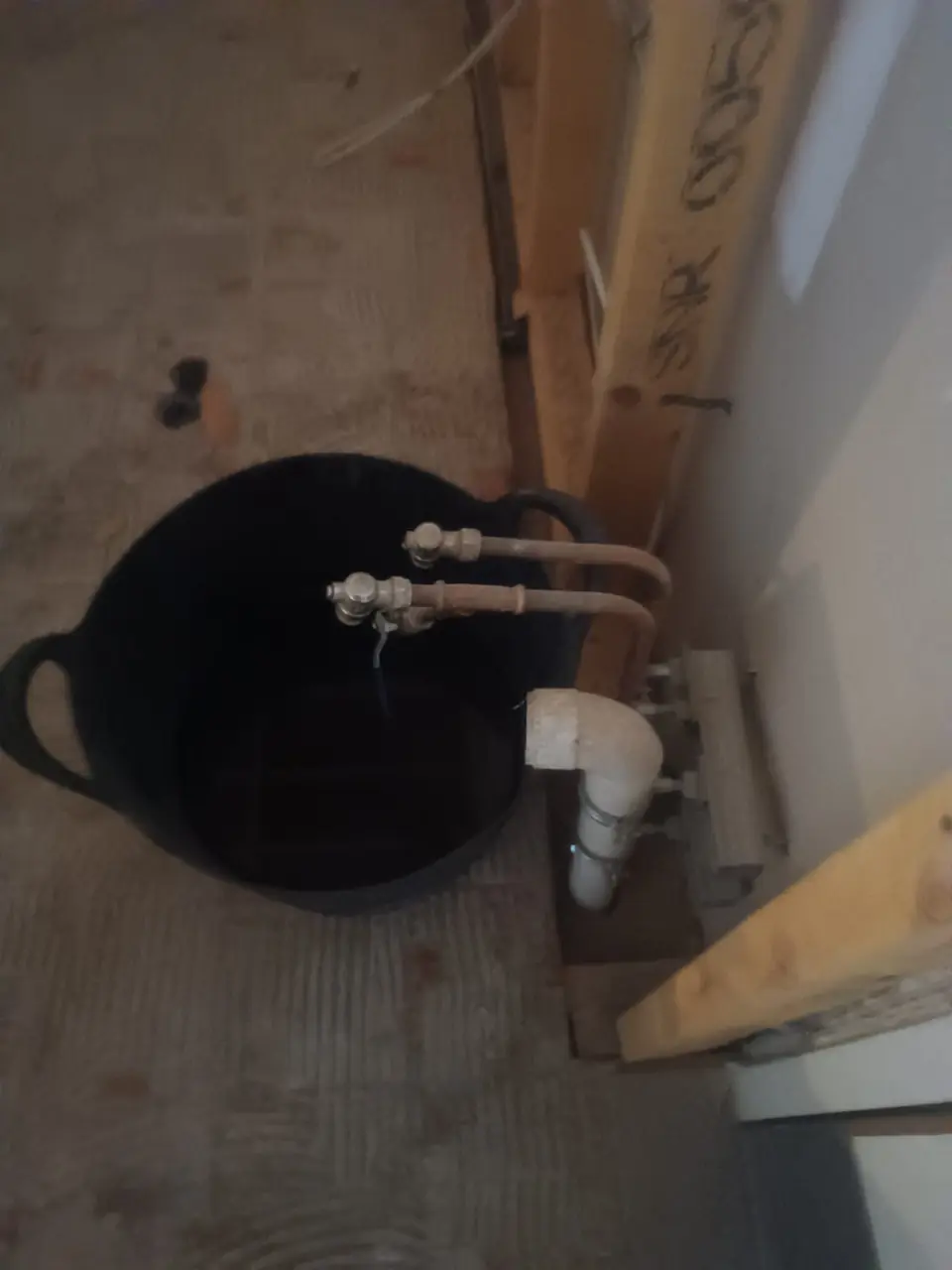
Why Edinburgh Stopcocks Are Hard to Find
In a new-build house the stopcock is almost always under the kitchen sink. In Edinburgh’s tenements and Georgian flats, the plumbing has often been altered several times over a hundred years or more, and the stopcock ends up wherever the last person put it. We regularly find them hidden behind kitchen units, boxed in, or under a floor that has since been carpeted over.
Where to Look, in Order
- Under the kitchen sink, at the back of the cupboard — follow the cold pipe that feeds the kitchen tap.
- In the hall or a storage cupboard near the front door, often low down near the skirting.
- Under the floorboards just inside the front door — look for a small lift-out hatch.
- Behind the bath panel or in the bathroom, where the supply rises in some conversions.
- In the common stair or close — some tenements have individual stopcocks for each flat on the landing or at the foot of the stair.
- In the loft or a high cupboard, if your flat is fed from a cold water tank.
How to Turn It Off
Turn the handle clockwise until it stops — “righty tighty”. Then open the cold kitchen tap to check the water has stopped. If it slows but doesn’t stop completely, the valve may be worn, which is common on old brass stopcocks.
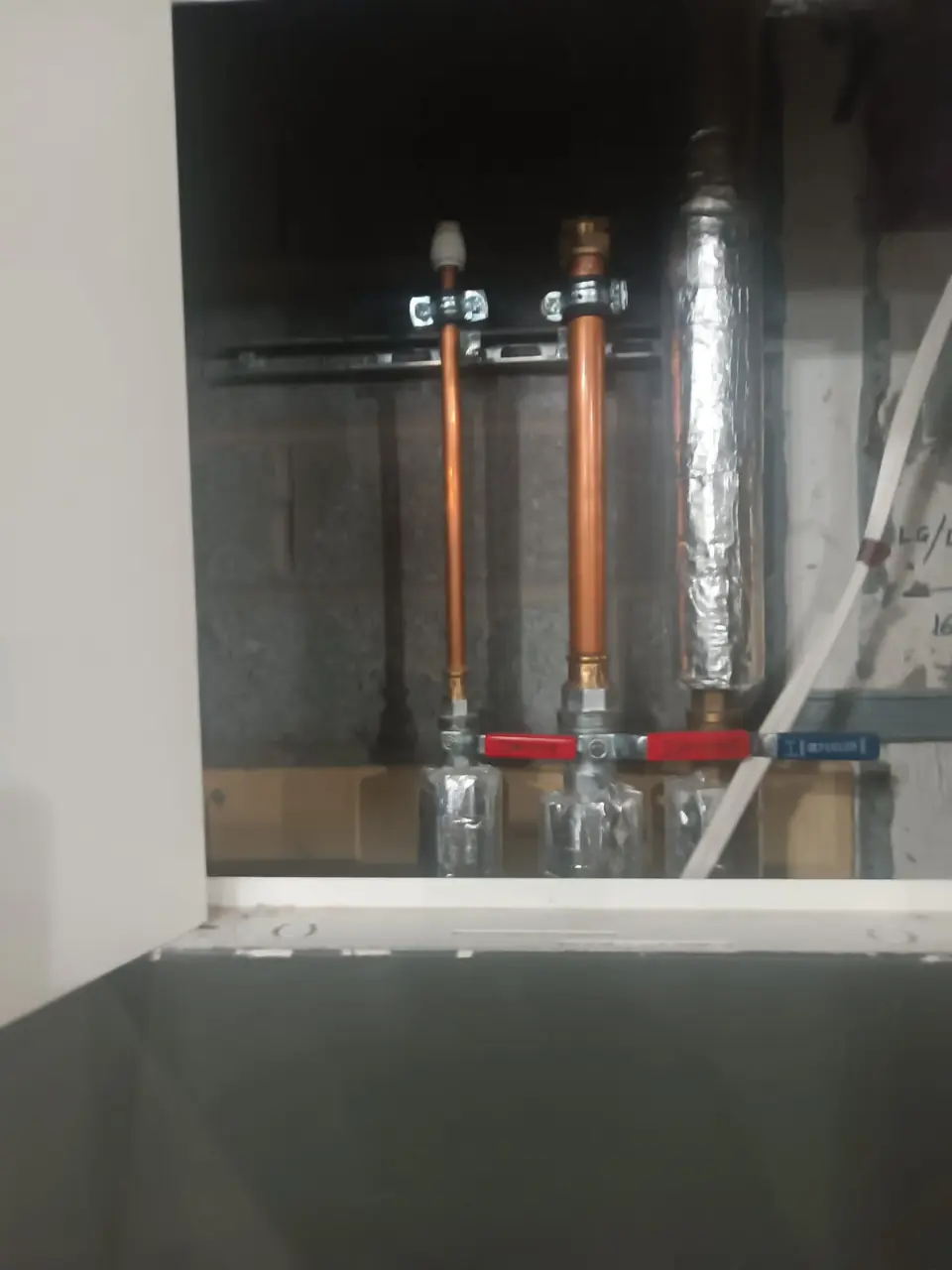
If a lever-style valve is fitted instead, a quarter turn so the lever sits across the pipe closes it.
What If It’s Stuck, Leaking or Shared?
Don’t force a seized stopcock with a wrench — old ones can snap and make things far worse. If it won’t move, the outside stopcock in the pavement at your property boundary belongs to Scottish Water; in a real emergency, call a plumber or Scottish Water rather than trying to dig it out yourself.
In some tenements one stopcock controls more than one flat. If yours does, it’s worth fitting your own isolation valve so you can turn off your water without cutting off your neighbours. Replacing a seized or shared stopcock is a quick, inexpensive job — see our water line repair service.
Make It Easy for Next Time
Once you’ve found it, label it, make sure everyone in the house knows where it is, and keep the cupboard in front of it clear. Turn it off and on once a year so it doesn’t seize. It’s the cheapest insurance you’ll ever buy against a burst pipe.