Does My Edinburgh Home Have Lead Pipes?
According to Scottish Water, homes built before 1970 may have lead pipework, because lead service pipes were phased out during the 1960s and banned in 1969. That covers a large share of Edinburgh’s housing — tenements in Leith, Marchmont and Gorgie, Georgian New Town flats and older villas alike. Many have been replaced over the years, but plenty haven’t, especially the short section where the supply enters the building.
How to Check Your Pipes
Find the pipe coming into your home just before the internal stopcock, usually under the kitchen sink, and look for these signs:
- Colour: lead is a dull, matt grey. Copper is orange-brown; plastic is usually blue, black or white.
- Scratch test: gently scrape the surface with a coin. Lead shows bright silver underneath.
- Knock test: tap it with something metal. Lead gives a dull thud rather than a ring.
- Joints: lead pipes often have bulbous, swollen-looking joints rather than neat fittings.
- Magnet: lead isn’t magnetic (neither is copper, so use this with the other signs).
If you’re not sure, a plumber can confirm it in a couple of minutes. Scottish Water will also sample your water for lead if you ask them.
Who Is Responsible for Which Pipe?
Scottish Water is responsible for the water main in the street and the communication pipe up to and including the stopcock at your property boundary. The property owner is responsible for the supply pipe from that boundary stopcock into the building, and for all the plumbing inside. In tenements, the supply into the building can be shared between several flats, so replacement is often best organised with your neighbours or factor.
Scottish Water says that where its own lead pipes are found during investigation, it will remove them — so when you replace your section, it’s worth asking them to check theirs.
What Lead Pipe Replacement Involves
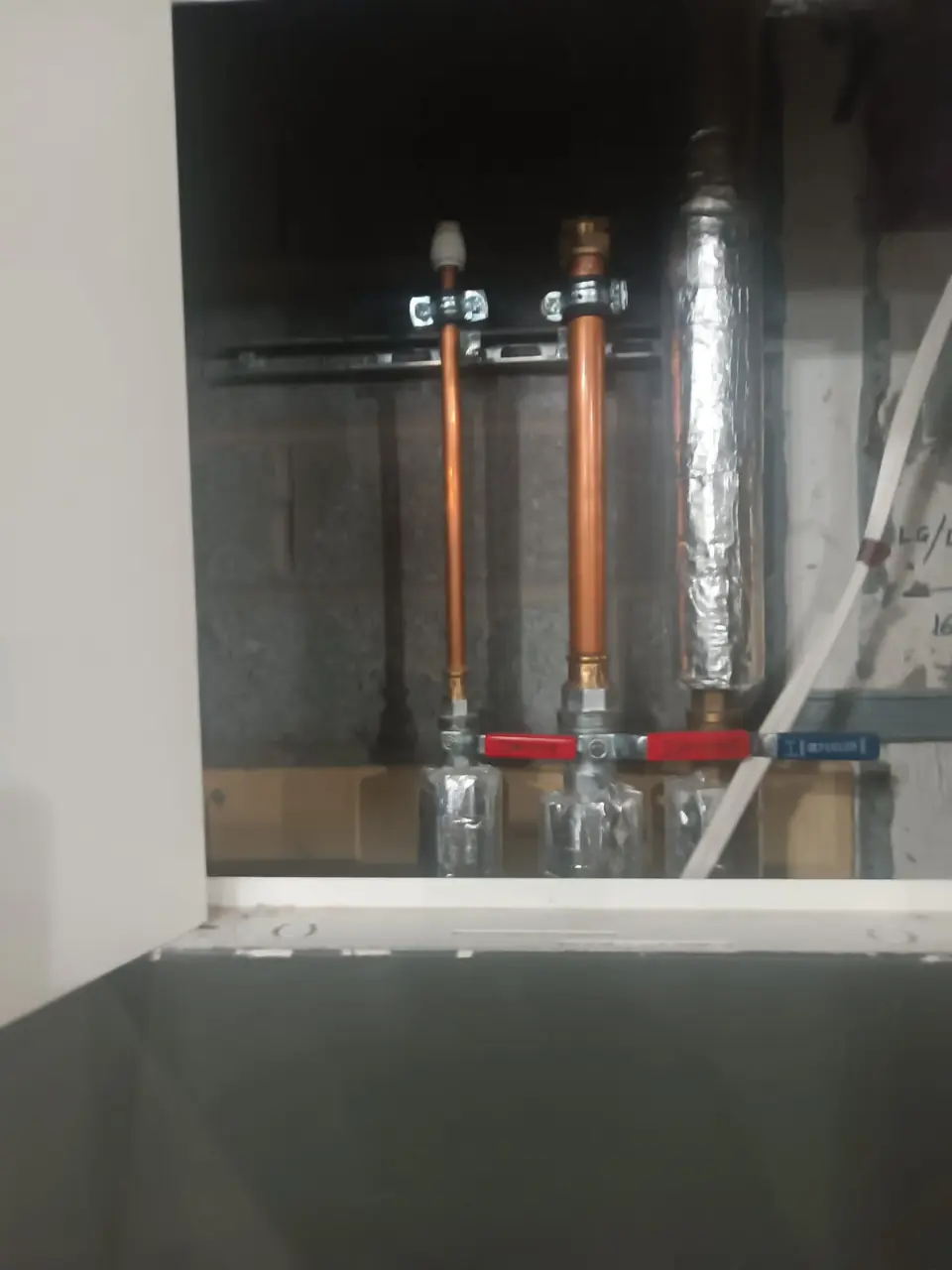
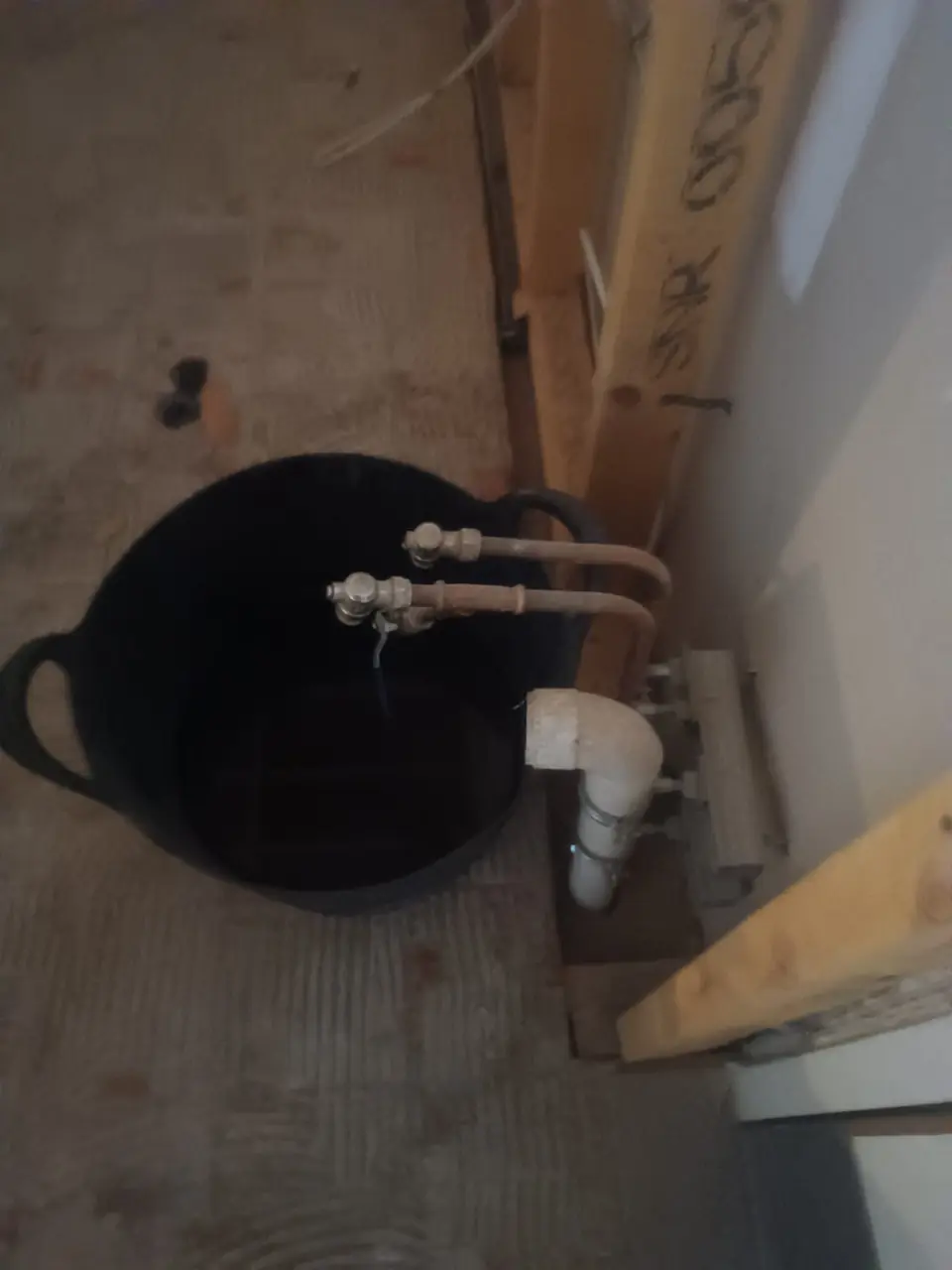
Replacement means running a new supply pipe — normally modern plastic outside and copper inside — from the boundary into the home, and replacing any lead sections indoors. In a house that usually means a trench from the pavement to the wall; in a tenement it often means working in the common stair or cellar. Most homes are only without water for part of a day. Often the new pipe improves your water pressure too, because old lead pipes are narrow.
We’ll check what you have, explain which parts are yours, and agree a fixed price before any work starts. See our lead pipe replacement service.