Cold at the Top: Trapped Air
Air collects at the top of a radiator and stops hot water filling it. Bleeding it takes five minutes:
- Turn the heating off and let the radiators cool.
- Hold a cloth under the bleed valve at the top corner and turn it anticlockwise with a radiator key, about a quarter turn.
- You’ll hear a hiss as the air escapes. Close the valve as soon as water starts to come out.
- If your system has a pressure gauge, check it afterwards — bleeding can lower the pressure, and the manufacturer’s instructions will tell you how to top it up.
If the same radiator needs bleeding every few weeks, something is letting air in, and it’s worth having it looked at.
Cold at the Bottom or in the Middle: Sludge
Over the years, rust and debris form a black sludge that settles in the bottom of radiators and blocks the flow. Bleeding won’t fix it. The radiator needs to be taken off and flushed through, or the whole system cleaned if several are affected. Fitting a magnetic filter afterwards helps stop it coming back.
Some Radiators Hot, Others Cold: Balancing
If the radiators nearest the boiler are roasting and the ones furthest away are lukewarm, the system needs balancing. That means adjusting the lockshield valve on each radiator (the one under a plastic cap) so hot water is shared out evenly. It’s fiddly but not difficult — or we can do it in one visit.
Leaking, Stuck or Old Radiators
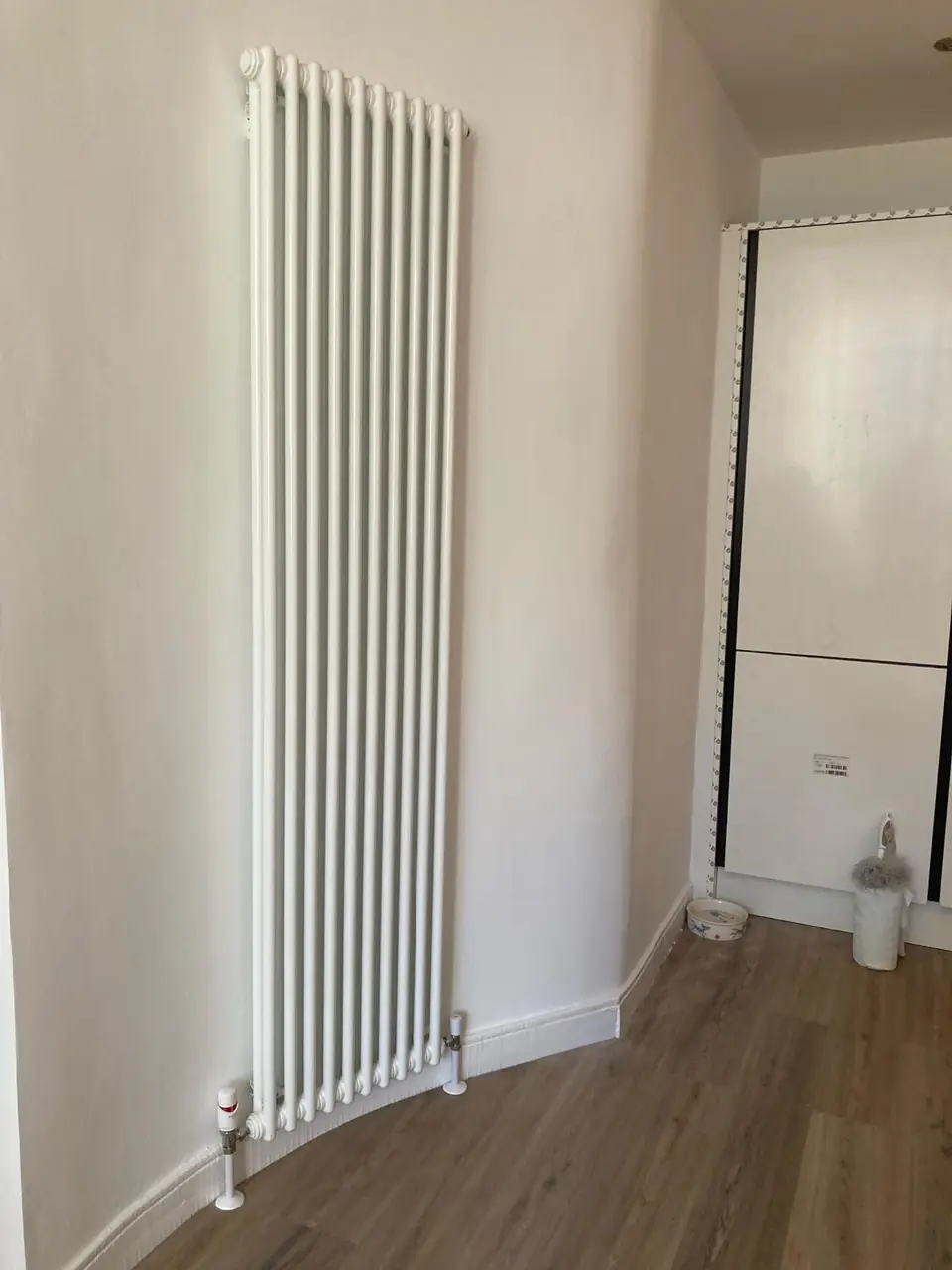
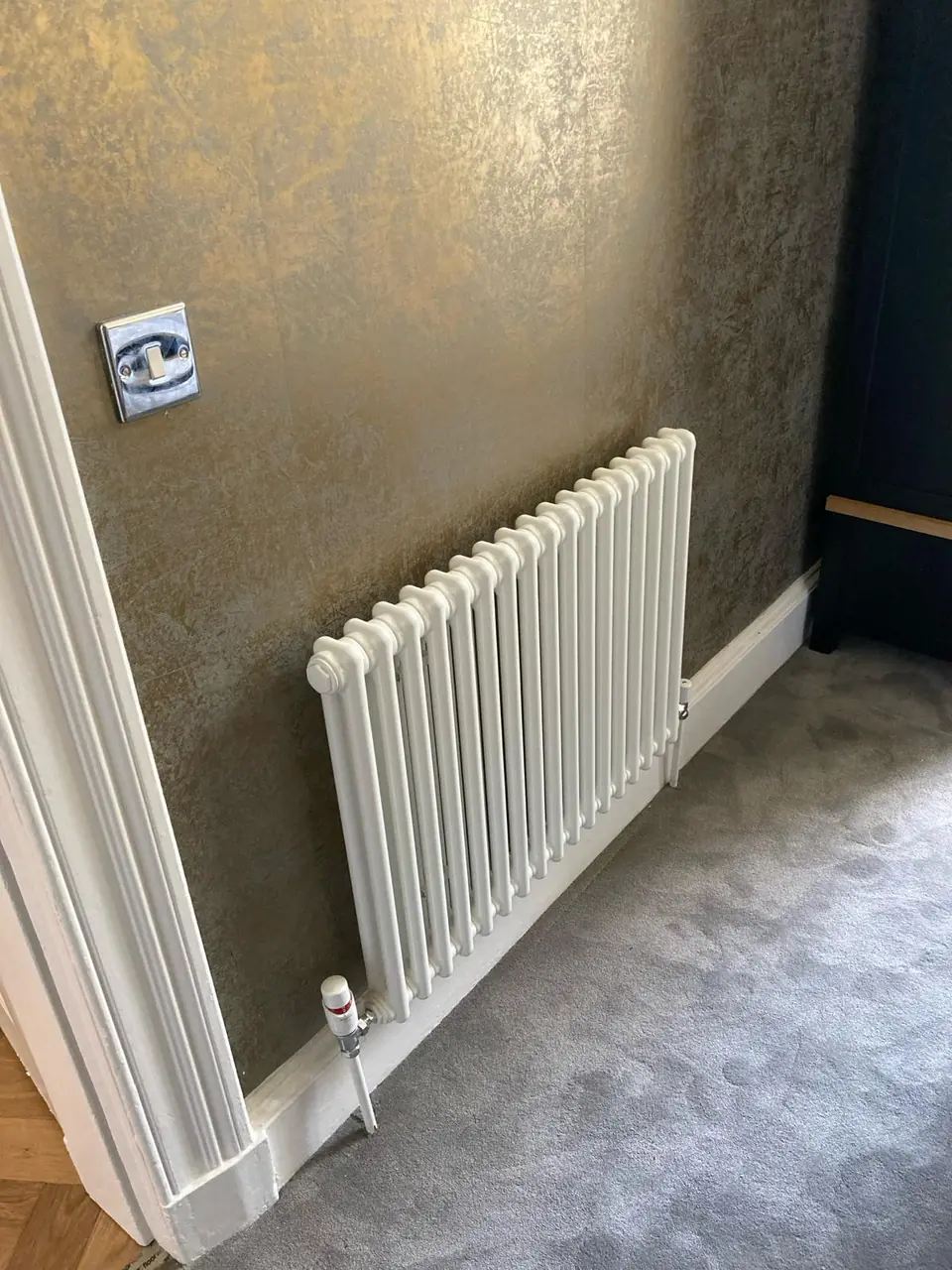
Weeping valves, a radiator that won’t turn off, or one that’s simply too small for the room are all straightforward fixes. We repair and replace radiators and valves across Edinburgh, including swapping old panels for column or vertical designs — see our radiator repair and installation service.
One thing we don’t do is boilers. If no radiators heat up at all, or the boiler is showing a fault, you need a Gas Safe registered engineer.